Proposed ICLR 2027 workshop
Connect AI–Sci
Workshop on Connecting AI Researchers
and Domain Scientists
A venue for domain scientists and AI researchers to exchange expertise, jointly formulate research problems, and build collaborations.
About the workshop
Connect AI-Sci brings domain scientists and AI researchers together to exchange expertise and build collaborations. Domain scientists bring meaningful problems and scientific judgment; AI researchers bring knowledge of what agents can do.
Start collaborations
Jointly define a scientific question, a possible AI contribution, and a feasible first experiment.
Understand what domain scientists value
Learn how domain scientists choose problems, judge progress, and use tacit knowledge.
Explore the frontier of AI agents
Understand current agents’ capabilities and limitations, and how they could support scientific research.
We expect approximately 300 attendees and 200 paper submissions from AI research and the domain sciences.
Participate
All conference attendees may join the workshop and breakouts without advance sign-up.
Breakout participant
Work with AI researchers and domain scientists to develop a research question and a first experiment.
Scientific reviewer
Review workshop papers using your scientific or methodological expertise.
Breakout session
80 minutesMixed teams turn a domain scientist’s research episode into a one-page brief: a scientific question, possible AI contributions, and a feasible first experiment.
Six domain groups: life sciences; medicine and neuroscience; engineering; chemistry and materials; physics and astronomy; and mathematics. Each group is facilitated by a breakout lead or an organizer.
Form teams
Breakout participants share a research episode three weeks ahead. Breakout scientists and AI researchers working in CS/AI join the domain group matching their application interests.
Approximately 20 teams of 6–8 members each include at least two domain scientists. Attendees can also join on the day; organizers will help them find a group and join or form a team.
Team discussion 40 min
Discuss scientific problems and tacit knowledge, then identify how AI could help. Each team prepares a one-page brief and contributes one slide to its domain group’s presentation.
Domain presentations 40 min
Each of the six domain groups has one six-minute slot: five minutes to present and one for questions. The remaining four minutes are reserved for transitions between groups. A domain scientist and an AI researcher from the group jointly present its teams’ slides.
Panel discussion
50 minutes · 6 confirmed panelistsDomain scientists and AI researchers discuss three questions:
- Creativity: Where do human and AI contributions overlap, and how should they be credited?
- Scientific progress: How should we weigh practical benefits, understanding, and expertise?
- Collaboration: How should domain scientists and AI researchers share problem selection, design, and evaluation?
10 min panelist diagrams · 30 min discussion · 10 min audience Q&A
Breakout scientists
85 confirmedView all 85 confirmed scientists
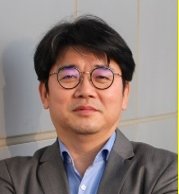 Yong JeongKAISTCognitive & clinical neuroscience
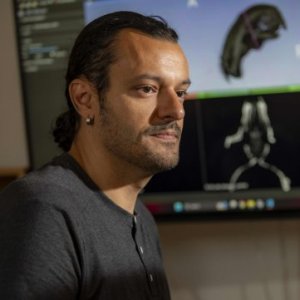 Arthur PortoUniversity of FloridaAI for biodiversity
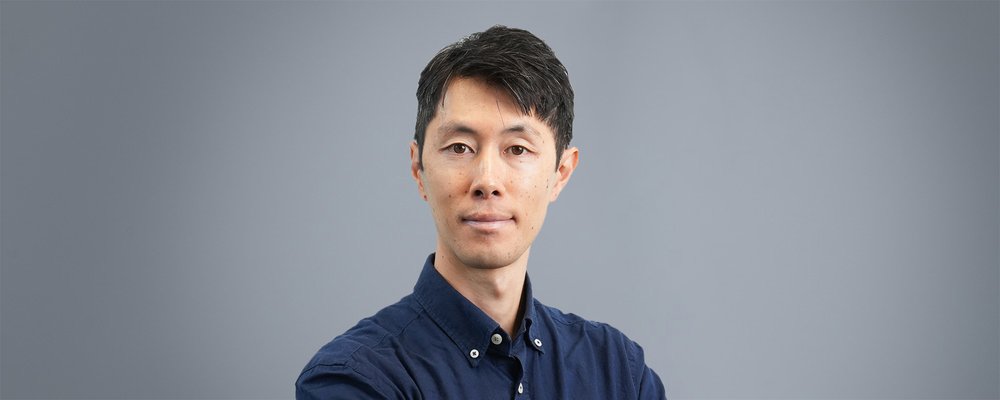 Makoto TakamotoNEC Labs EuropeAI for Science & scientific ML
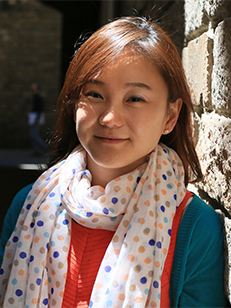 Hyunjoo Jenny LeeKAISTBiomedical MEMS & bioelectronics
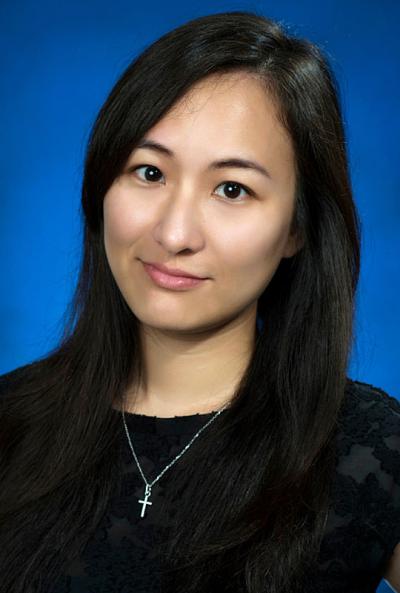 Esther H. R. TsaiBrookhaven National LaboratoryAI-accelerated nanoscience
 Nikola StikovPolytechnique MontréalBiomedical & quantitative MRI
Ishraq Md AnjumUMBCComputational photonics
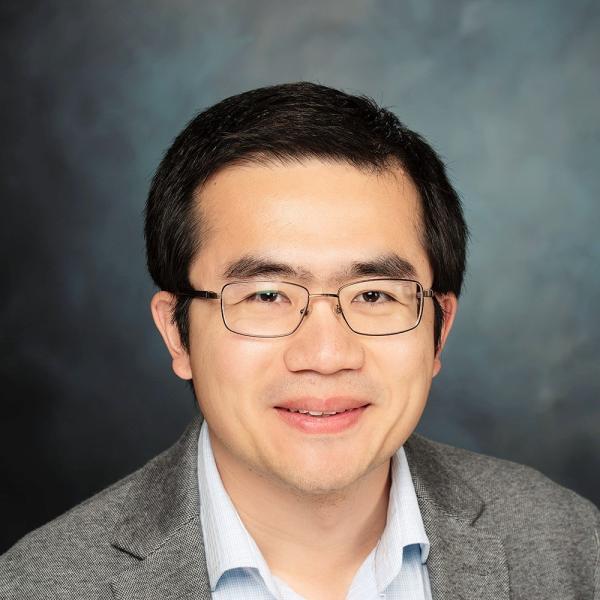 Yuan ShiUniversity of Colorado BoulderPlasma & quantum physics
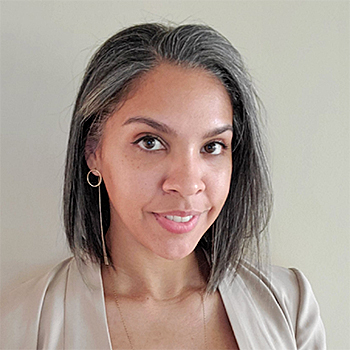 Rebecca LindseyUniversity of MichiganComputational materials chemistry
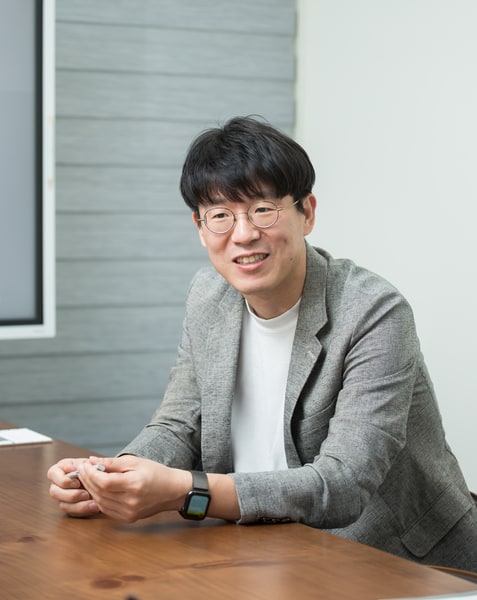 Jae Kyoung KimKAIST / IBS Biomedical Mathematics GroupMathematical & systems biology; circadian rhythms, sleep & biomedical AI
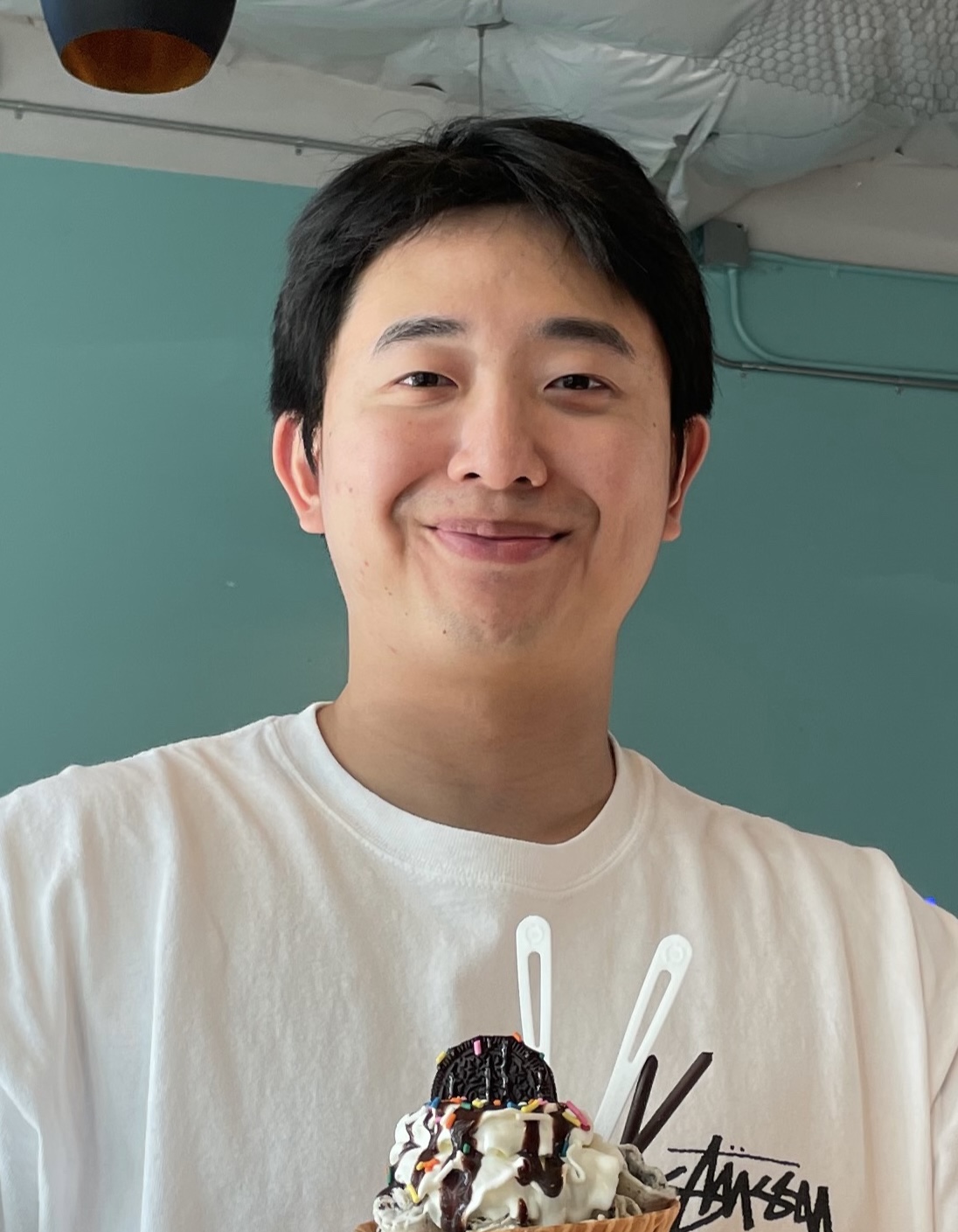 Sukwon YunXaira TherapeuticsMachine learning for biology; antibody design & closed-loop biological discovery
Jeremy KoobFutureHouse / University of Washington, Institute for Protein DesignAI-assisted protein and enzyme design
 Michal BravanskyMETRAI research automation; evaluations & societal impacts
Seung Jun LeeYonsei University College of MedicineComputational biology
 Md Kishor MorolMeta AIAI safety, AI for Science & drug discovery
Dushyant MehraUniversity of Texas Southwestern Medical CenterMicroscopy, single-molecule imaging, pathology & spatial omics; generative modeling & virtual staining
Artem FrenkNew York UniversityMeasure transport, representation learning, generative modeling & optimization
 Jina KimPrinceton UniversityProtein modeling & design
Huang DongchenInstitute of Physics, CASQuantum many-body physics & generative modeling
 Jonas KgomoEquiano InstituteAI & mathematics
Yongchan HongUniversity of Southern CaliforniaAI for drug discovery
 Alenrex MaityJadavpur UniversityCryptography & multimedia security
Kanika GargSir Padampat Singhania UniversityNLP, healthcare AI & AI agents
 Mohammed Mudassir UddinMuffakham Jah College of Engineering & TechnologyEdge ML, reinforcement learning & LLMs
Imdad HussainUniversity of Management and Technology LahoreApplied mathematics
 Shwet KetuMadan Mohan Malaviya University of Technology GorakhpurIoT, big data analytics & healthcare IoT
 Kristina GagalovaCurtin UniversityBioinformatics
 Mohd. DanishIILM UniversityNLP, recommender systems & human–computer interaction
 Saswat Priyadarshi NayakUniversity of California RiversideVehicle localization & sensor fusion
 Mittu WaliaIndian Institute of Technology RoorkeeMathematics
 Sohail SaifMaulana Abul Kalam Azad University of Technology, West Bengal, IndiaHealthcare & cybersecurity
 Christian MoyaPurdue UniversityAI, control theory & power engineering
 Anila KhanNew York Institute of TechnologyBiomedical signals & wearable sensing
 Udangshree BorahIndian Institute of Technology GuwahatiSustainable proteins & food science
 Sercan KarakasUniversity of ChicagoSemantics, pragmatics & computational linguistics
 Wenhui XiUCSBStructural biology & protein design
 Rabia NusratNUSIon exchange membranes
 Satyajit MojumderWashington State UniversityManufacturing & materials
 Sharif SalekiStanford UniversityVisual neuroscience & perception
 Sourav PatnaikThe University of Texas Southwestern Medical CenterBiomedical data, signals & imaging
 Veronika PakMcGill UniversityNeuroinformatics & computational neuroscience
 Mars GaoStanford UniversityAI & physics
 Farid FattahpourSan Diego State UniversityComputational materials, superconductivity & AI
Muskan AgrawalIndian Institute of ScienceComputational biophysics
 Kanishk JainEmory UniversityBiophysics & animal behavior
 Defne CirciDuke UniversityPolymer design & language models
 Nisarg PatelUCSFCancer genomics & clinical AI reasoning
 Caleb OlojoThe University of LawDistributed systems, CRDTs & human–computer interaction
 Vishwa BhattCalifornia State University San BernardinoComputational neuroscience, neural signals & multimodal AI
 Anas ZafarThe University of Texas, MD Anderson Cancer CenterDigital pathology, oncology & applied AI
 Shashwat SouravWashington University in St. LouisAstronomy & AI for science
 Rajneesh AnandLehigh UniversityReinforcement learning, control & fluid dynamics
 Sairam PanukuNational Institute of Technology Warangal (NIT Warangal)NLP, language models & quantum ML
Sergio MaresUC Berkeley | AbbVieProtein design, computational chemistry & generative AI
Awais KhanSun Yat-sen UniversityDeep learning & computer vision
Hannah ChungStanford UniversityComputational biology & protein language models
Salar NozariUniversity of IowaAgent-based modeling & computational economics
Sita SirishaORNLProtein, ligand & bioimaging representation learning
Archan DuttaStaff data scientist, Automation Anywhere | Doctoral candidate, Westcliff UniversityResponsible AI, public safety & NLP
Gollam RabbyLeibniz University Hannover, GermanyJoint-embedding predictive architectures for science
Naveen BhatiIIT RoorkeePower electronics, renewable energy & AI
Akash GhoshIIT PatnaMultimodal AI, healthcare & AI reasoning
Murad HossenUniversity of HoustonMathematics & AI
Alma GhafariNortheastern UniversityTheoretical computer science
Harshita SahniUniversity of New Mexico / ORNLComputational biology, molecular dynamics & HPC
Seher SiddiquiSVKMs NMIMS Mukesh Patel School of Technology Management and EngineeringComputational biology, biostatistics & bioinformatics
Omkar DengiMAEER'S MIT Arts, Commerce and Science College AlandiMachine learning & deep learning
Pragati AwasthiDrexel UniversityApplied ML, data science & AI governance
Sourabh VermaDr. B. R. Ambedkar National Institute of Technology JalandharSignal processing & AI
Ioana CiucaStanford UniversityAstronomy & human–AI scientific collaboration
Invited talks
5 confirmed speakers · 125 minutesTalks on automated discovery, scientific-agent evaluation, and computational science. Each 25-minute talk includes at least five minutes of Q&A.
 Robert Tjarko LangeStaff Research Scientist & Founding Member · Sakana AIEvolutionary methods for automated discovery, including ShinkaEvolve and The AI Scientist.Confirmed
 Steven DillmannPhD Student · Stanford UniversityFoundation models and agents for science, with rigorous evaluation of scientific tasks.Confirmed
 Sungsoo AhnAssistant Professor · KAIST Graduate School of AIStructured and probabilistic machine learning for drug discovery and materials design.Confirmed
Nikola StikovFull Professor of Electrical Engineering · Polytechnique MontréalQuantitative MRI and biophysical modeling of brain and heart microstructure; co-founder of NeuroLibre for reproducible research.Confirmed
 Abbas MehrabianResearch Scientist · Google DeepMindAI for mathematical discovery and algorithm design, including AlphaEvolve.Confirmed
Talk titles and order will be announced.
Panelists
6 confirmed Sean WelleckAssistant Professor · Carnegie Mellon UniversityAI for mathematics, automated theorem proving, proof formalization, and systems that help mathematicians investigate open problems.Confirmed
 Linh T TrinhPostdoctoral Fellow · GenentechCell and developmental biology, spatial biology, and AI-assisted laboratory discovery.Confirmed
 Hanchen WangResearch Scientist · Google DeepMindAI agents for biomedicine, spatial biology, and laboratory automation, including Biomni, SpatialAgent, and Orion.Confirmed
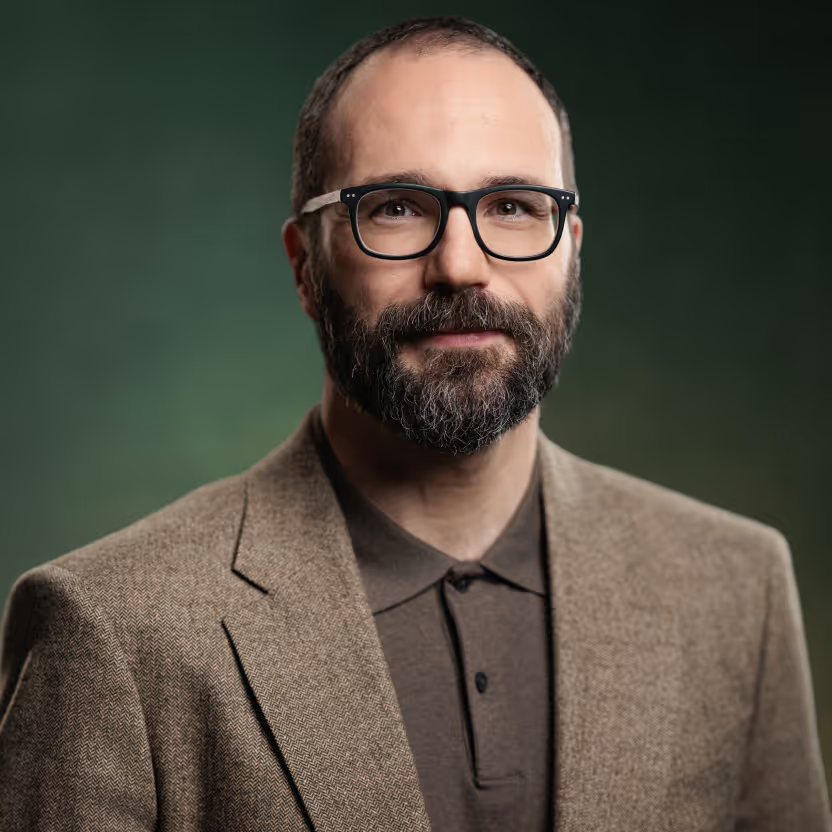 Rafael Gómez-BombarelliCo-founder & CSO, Physical Sciences · Lila SciencesMachine learning and physics-based simulations for chemistry, materials design, and automated scientific discovery.Confirmed
 Elahe VedadiResearch Scientist · Google DeepMindCo-Scientist: helping scientists generate hypotheses and plan experiments.Confirmed
Nikola StikovFull Professor of Electrical Engineering · Polytechnique MontréalAlso an invited speaker.Confirmed
Program
Tentative · 08:20–17:00 · Local event timeMorningTalks & contributed research
- 08:20–08:30Opening remarks10 min
- 08:30–08:55Invited talk 125 min
- 08:55–09:20Invited talk 225 min
- 09:20–10:00Contributed paper oral session4 papers × 10 min40 min
- 10:00–10:10Break10 min
- 10:10–10:35Invited talk 325 min
- 10:35–11:00Invited talk 425 min
- 11:00–12:00Contributed poster session 160 min
AfternoonDiscussion & collaboration
- 12:00–13:00Lunch break60 min
- 13:00–13:25Invited talk 525 min
- 13:25–14:15Panel discussion & creativity diagramsAI and human creativity · scientific value · collaboration50 min
- 14:15–14:25Break10 min
- 14:25–15:05Breakout: team discussionMixed teams develop research-task briefs40 min
- 15:05–15:45Breakout: domain presentationsSix domain groups · domain scientist–AI researcher presentations40 min
- 15:45–16:45Contributed poster session 260 min
- 16:45–17:00Best Paper Award & closing remarks15 min
Times are tentative and subject to room allocation. The assigned day, talk titles, and speaker order will be announced.
Call for papers
Non-archival · OpenReviewShare research on scientific problems and discuss it with domain scientists. All accepted papers will be presented in two 60-minute poster sessions; four papers will also receive 10-minute oral presentations, with seven minutes to present and three for questions.
Topics of interest
Collaboration with domain scientists
Joint problem formulation, tacit knowledge, scientific practice, and lessons from collaborations.
Agents for long-horizon scientific workflows
Planning, memory, experimentation, scientific tools, and evaluation across research tasks.
Scientist–agent collaboration
Human guidance, feedback, shared responsibilities, and effects on creativity, understanding, and attribution.
Regular papers ≤ 8 pages
New and ongoing research.
Short papers ≤ 4 pages
New and ongoing work, scientific problems, negative results, workflow bottlenecks, and perspectives.
Page limits exclude references and appendices. Both tracks are non-archival and undergo double-blind review through OpenReview. The submission portal and formatting details will be announced.
At least three independent reviews and one meta-review per submission. Natural-science papers receive at least one review from an AI/CS researcher and one from an active scientist in the relevant domain.
One Best Paper Award · One Runner-up Paper Award
Previously published work
Work already published or accepted at major ML/AI venues, including the ICLR 2027 main track, is ineligible. Authors must declare prior or concurrent submissions on OpenReview. Reviewers will flag overlap, and duplicate work will be desk-rejected. Concurrent-submission rules will be specified in the call for papers.
Reviewing and conflicts of interest
We have 148 confirmed reviewers and will recruit a total of 200. Each reviewer will be assigned no more than three papers, matched to methodological and domain expertise. OpenReview records conflicts such as co-authorship within five years, advisor–advisee relationships, and shared affiliations. Organizers do not review or shape decisions on submissions from their own institutions; these are handled by a non-conflicted organizer. If additional reviewers are needed, one author per submission must serve as a reciprocal reviewer.
AI use in submissions and review
We follow the ICLR 2027 Policies on Large Language Model Usage. Authors must disclose substantive AI assistance and remain responsible for their work. Short papers must be primarily human-authored and reflect original thought and analysis; AI assistance is permitted, but AI-generated short papers are ineligible. Reviews and meta-reviews must be written and owned by human reviewers. AI systems will not serve as primary authors, reviewers, or decision-makers.
Public access and remote participation
All accepted papers are non-archival, with no proceedings, and will be public on OpenReview and iclr.cc by February 26, 2027, AoE. With consent, slides, talk titles, and the full program will be shared on the workshop website, and talks will be released online and livestreamed via SlidesLive. Participants unable to travel may provide recorded presentations or posters for an in-room representative, and submit research episodes and questions for a facilitator to relay to their breakout team.
Organizers
The organizers coordinate the program, paper review, scientist recruitment, and breakout discussions.
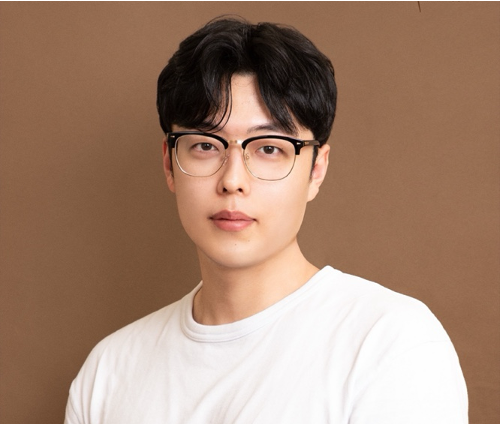
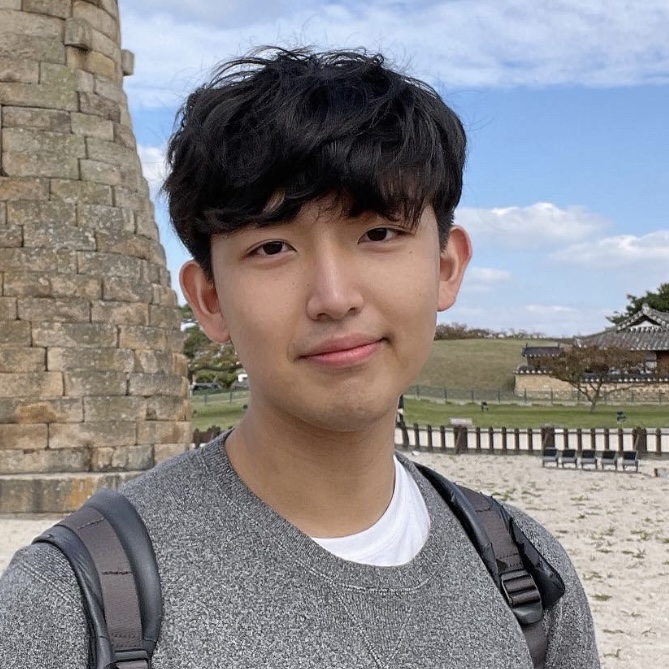
Breakout leads
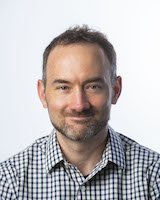
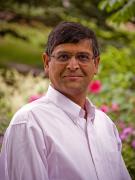
5 domain facilitatorsThe following five researchers will facilitate domain groups in the breakout session. Each breakout lead facilitates one domain group, keeps each team’s discussion anchored in the scientist’s research episode, and helps teams prepare their briefs and the domain presentation.
Reviewers 148 confirmed
148 confirmed reviewers contribute AI/CS and domain expertise. We will recruit a total of 200 reviewers.
- Minki KangKAISTLLM agents & knowledge distillation
- Seungyeon JwaSeoul National UniversityLLM evaluation
- Zae Myung KimUniversity of MinnesotaHuman–AI writing & NLP
- Shuyu GanUniversity of MinnesotaAI agents & alignment
- Byungkwan LeeNVIDIAVision-language models & model efficiency
- Dongki KimKAISTAI for science & biomolecular modeling
- Sangwoo ParkKAISTLLM reasoning & knowledge distillation
- Yumin ChoiKAISTSelf-improving AI & language models
- Yukyeong LeeKAISTAI agents & self-improving AI
- ByeongHun BangKAISTLLM agents & knowledge distillation
- Soyeong JeongKAISTRetrieval-augmented generation & NLP
- Yerim OhSeoul National UniversityScientific retrieval & materials NLP
- Bo LiuStanford UniversityReinforcement learning & LLM reasoning
- Ian WuCarnegie Mellon UniversityLLM reasoning & test-time learning
- Yujin KimKAISTEfficient LLM reasoning
- Michal BravanskyMETRAI research automation & evaluation
- Seung Jun LeeYonsei University College of MedicineComputational biology
- Alish DipaniGeorgia Institute of TechnologyVision, fMRI & representational alignment
- Md Kishor MorolMeta AIAI safety & drug discovery
- Dushyant MehraUniversity of Texas Southwestern Medical CenterMicroscopy, spatial omics & generative modeling
- Artem FrenkNew York UniversityGenerative modeling & optimization
- Jina KimPrinceton UniversityProtein modeling & design
- Christian HoangFPT UniversityMultilingual & multimodal interpretability
- Dongkwan KimTexas A&M UniversityAI for life sciences & chemistry
- Huang DongchenInstitute of Physics, CASQuantum many-body physics & generative modeling
- Prashant KumarRIKEN, JapanNanomaterials & magnetic materials
- Jonas KgomoEquiano InstituteAI & mathematics
- Mehmet Oguz DerinUniversity of Colorado BoulderComputer graphics & human–computer interaction
- Adarsh AgrawalAmazonVoice AI, RL & inference optimization
- Lakshman Prabhu BalasubiramaniamIndian Institute of Technology Kharagpur (IIT Kharagpur)Industrial AI & intelligent manufacturing
- Rahul JaisyAssam Engineering CollegeLLM evaluation & trustworthy ML
- Rajasekhar BodduVIT-AP UniversityNLP, language models & healthcare AI
- Yongchan HongUniversity of Southern CaliforniaAI for drug discovery
- Alenrex MaityJadavpur UniversityCryptography & multimedia security
- Kanika GargSir Padampat Singhania UniversityNLP, healthcare AI & AI agents
- Mohammed Mudassir UddinMuffakham Jah College of Engineering & TechnologyEdge ML, reinforcement learning & LLMs
- Shashank YadavIIT BombayCybersecurity & threat intelligence
- Abhishek AgnihotriDr. Ambedkar Institute of Technology for Divyangjan, Kanpur, IndiaMedical imaging & vision-language models
- Pradip GhorpadeVidya Pratishthan's Kamalnayan Bajaj Institute of Engineering & TechnologyMachine learning & deep learning
- Amit AylaniVidyalankar Institute of TechnologyAI & sustainability
- Ahalya R KEaswari Engineering CollegeImage processing & quantum computing
- Junha ParkYonsei University College of MedicineSingle-cell & functional genomics
- Sumit GuptaAcademy of TechnologyNLP, cybersecurity & embedded systems
- Akanksha MishraIIT GoaMachine learning & cancer genomics
- Kaviya ElakkiyaUCSI University Kuala LumpurBiomedical signals & explainable AI
- Shwet KetuMadan Mohan Malaviya University of Technology GorakhpurIoT, big data analytics & healthcare IoT
- Saeem AnsariAligarh Muslim UniversityMultimodal data analytics
- Ahmad FakharianQazvin Islamic Azad UniversityControl theory & optimization
- Kristina GagalovaCurtin UniversityBioinformatics
- Vinay SharmaICRISAT, IndiaPlant genetics & genomics
- Mohd. DanishIILM UniversityNLP, recommender systems & human–computer interaction
- Ghita LazrekLab LIASSE, USMBA, ENSANLP & language models
- Koushik DebIndian Institute of Information Technology KalyaniResponsible AI & LLM bias
- Parisa MoradiUniversity of ManchesterAI & computer vision
- Aaron John AlegreNU ClarkPattern recognition & edge computing
- Sampath MadanuGVSUClinical data science
- Saswat Priyadarshi NayakUniversity of California RiversideVehicle localization & sensor fusion
- Monika TiwariShanti Business SchoolMachine learning & data science
- Muhammad ArifYale UniversityNatural language processing
- Mittu WaliaIndian Institute of Technology RoorkeeMathematics
- Sohail SaifMaulana Abul Kalam Azad University of Technology, West Bengal, IndiaHealthcare & cybersecurity
- Shagufta ShakeelMadan Mohan Malviya University of TechnologyImage processing & cybersecurity
- Christian MoyaPurdue UniversityAI, control theory & power engineering
- Vikash BhaskarMadan Mohan Malaviya University of TechnologyData analytics, medical IoT & blockchain
- R. GopalSASTRA Deemed University, ThanjavurNonlinear dynamics
- Bingyu LiuWentworth Institute of TechnologySecurity & privacy
- Jimena CastroDGCyEBiophysics & genomics
- Anila KhanNew York Institute of TechnologyBiomedical signals & wearable sensing
- Angad Ripudaman Singh BajwaHP Inc.Speech processing & medical imaging
- Soufyane YassaraFST FèsMedical microbiology & antimicrobial resistance
- Anuj JhaIIT BombayMachine learning & theorem proving
- Udangshree BorahIndian Institute of Technology GuwahatiSustainable proteins & food science
- Rupam NagAliah University, KolkataFederated learning, explainable AI & computer vision
- Sercan KarakasUniversity of ChicagoSemantics, pragmatics & computational linguistics
- Wenhui XiUCSBStructural biology & protein design
- Rabia NusratNUSIon exchange membranes
- Daniele Lizzio BoscoUniversity of Udine & University of Naples Federico IIQuantum computing & circuit compilation
- Satyajit MojumderWashington State UniversityManufacturing & materials
- Sharif SalekiStanford UniversityVisual neuroscience & perception
- Khrystofor KhokhlovBroad InstituteOrganic chemistry & computational drug discovery
- Sourav PatnaikThe University of Texas Southwestern Medical CenterBiomedical data, signals & imaging
- Kaan ArikSakarya University of Applied SciencesMachine learning, computer vision & control systems
- Jamal RajaSt Joseph's Health/St. George's University SOMMedical education & licensing examinations
- Mars GaoStanford UniversityAI & physics
- Farid FattahpourSan Diego State UniversityComputational materials, superconductivity & AI
- Muskan AgrawalIndian Institute of ScienceComputational biophysics
- Kiswendsida Romuald ZongoPrescott CollegeAI for space sustainability & orbital debris tracking
- Defne CirciDuke UniversityPolymer design & language models
- Spandana BalumuriApple, University of Texas at AustinAI agents & human-centered evaluation
- Vishwa BhattCalifornia State University San BernardinoComputational neuroscience, neural signals & multimodal AI
- Osarode OdemwingieUniversity of BeninMycology, biomass valorisation & circular economy
- Rajneesh AnandLehigh UniversityReinforcement learning, control & fluid dynamics
- Saswati PandaUniversity of California, DavisMaterials science & biophysics
- Sairam PanukuNational Institute of Technology Warangal (NIT Warangal)NLP, language models & quantum ML
- Deblu SahuKL University, IndiaAI for image processing & gel systems
- Nikhil KomallaThe Pennsylvania State UniversityComputational catalysis & materials science
- Sergio MaresUC Berkeley / AbbVieProtein design, computational chemistry & generative AI
- Awais KhanSun Yat-sen UniversityDeep learning & computer vision
- Sohaib SulmanFAST-NUCES IslamabadMultimodal imaging for diabetic retinopathy
- Maniarasu RaviThiagarajar College of Engineering MaduraiThermal & automotive engineering
- Sita SirishaORNLProtein, ligand & bioimaging representation learning
- Vijay Anant AthavaleKLS Gogte Institute of Technology, IndiaBlockchain & machine learning
- Amit Kumar TyagiNFSU GandhinagarSecurity & privacy
- Prajoy PodderMissouri University of Science and Technology, USADeep learning, medical imaging & language models
- Asif Iqbal BhattiVrije Universiteit BrusselBatteries, alloys & computational materials
- Gaurav TivariSilver Oak UniversityMachine learning, computer vision & generative AI
- Naveen BhatiIIT RoorkeePower electronics, renewable energy & AI
- Gaurav YadavIIT (BHU) VaranasiElectrical engineering
- Anouar ImelUniversity of Electronic Science and Technology of ChinaBrain-inspired computing & multi-agent systems
- Akash GhoshIIT PatnaMultimodal AI, healthcare & AI reasoning
- Talukder Hasnat ZadidAmerican International University BangladeshNLP, computer vision & human–computer interaction
- Rashmi SinghIndian Institute of Technology JodhpurMedical image segmentation & disease detection
- Pranavathiyani GnanasekarSASTRA Deemed UniversityBioinformatics & microbial omics
- Alma GhafariNortheastern UniversityTheoretical computer science
- Harshita SahniUniversity of New Mexico / ORNLComputational biology, molecular dynamics & HPC
- Seher SiddiquiSVKMs NMIMS Mukesh Patel School of Technology Management and EngineeringComputational biology, biostatistics & bioinformatics
- Mahta MoradiIran University of Medical SciencesImmuno-oncology & tumor microenvironments
- Omkar DengiMAEER'S MIT Arts, Commerce and Science College AlandiMachine learning & deep learning
- Seyyed Parham AhmadiMashhad University of Medical SciencesNeurosurgery, neurology & nephrology
- Pragati AwasthiDrexel UniversityApplied ML, data science & AI governance
- Sourabh VermaDr. B. R. Ambedkar National Institute of Technology JalandharSignal processing & AI
- Ioana CiucaStanford UniversityAstronomy & human–AI scientific collaboration
- Aisvarya Sampath KumarMercuria Energy AmericaAI agents, reliable distributed systems & industrial automation
- Xinyi XieUniversity of ArizonaAI for science & health
- Anandita BanerjeeIndraprastha Institute of Information Technology, Delhi, IndiaComputational biology, genomics & immunology
- Hemant Kumar SainiBennett UniversityAI & networks
- Nitin B. RautMadanapalle Institute of Technology & ScienceAI, IoT & wireless sensor networks
- Rourou JiUniversity of Illinois Urbana-ChampaignComputational biology, systems biology & multi-omics
- Purnima GargKIET Group of Institutions, GhaziabadQuantum machine learning & variational quantum circuits
- Tushar BhardwajNational Institute of Technology KurukshetraComputer vision, medical imaging & edge AI
- Erencan BegicDokuz Eylul University HospitalPulmonary medicine
- Umme AbihaIndian Institute of Technology and All India Institute of Medical SciencesMedical and wearable technology, biotechnology & cancer research
- Ajit KumarSOIL School of Business Design, Gurugram, IndiaAI-based decision support systems
- Shreyas Vinaya SathyanarayanaMstack AIAI for chemistry
- Bem GumapacBohol Island State UniversityMachine learning, embedded systems & IoT
- Bharadwaj PopuriTakeda PharmaceuticalsMetabolomics & deep learning
- Bhavik KanekarIndian Institute of Technology Bombay IndiaMachine learning, computer vision & biomedical imaging
- Rashik Intisar SiddiqueeNorth Carolina State UniversityOperations research & supply-chain optimization
- Rupak GyawaliNIST CollegeRemote sensing, explainable AI & object detection
- Rajarshi DasMQube CognitionClimate science & interdisciplinary research
- Sampanna PahiFAU Erlangen NurnbergMachine learning for atomistic bond fracture
- Saanidhi GadePune Vidyarthi Griha College of Engineering and Technology, Pune, IndiaAI safety, interpretability & LLM evaluation
- Danile UkaegbuJohns Hopkins UniversityToxicology
- Aayush Kumar TyagiIndian Institute of Technology DelhiMedical imaging & histopathology
- Braulio Misael Villegas MartinezCIICApQuantum optics & quantum computing
- Putra Reza FardaniBina NusantaraPsychology
- Edward RuizBoston UniversityGenomics, computational biology & bioinformatics
- Pankaj KulkarniIndependent researcher / consultant5G/6G wireless communications, AI & non-terrestrial networks
Diversity & inclusion
Organizers
Seven organizers: two female-identifying (28.6%) and five male-identifying (71.4%), across academia and industry.
Speakers & panelists
Ten unique participants: two female-identifying (20.0%) and eight male-identifying (80.0%). Career stages range from PhD student and postdoctoral fellow to faculty, research scientist, and company co-founder.
Their primary affiliations span industry (60.0%) and academia (40.0%), with institutions in North America (80.0%) and Asia (20.0%).
Breakout participants
Of 85 breakout participants, 70 (82.4%) focus on research applications outside CS/AI and 40 (47.1%) are PhD students or postdoctoral researchers.
Their institutional affiliations span North America (56.5%), Asia (31.8%), Europe (3.5%), and Oceania (1.2%); locations remain unverified for 7.1%.
Scientific reviewers
148 reviewers: 52 (35.1%) in CS/AI and 96 (64.9%) in natural sciences and related disciplines.
We will broaden geographic and gender representation through outreach to scientific communities.
After the workshop
With contributors’ consent and agreed attribution, we will publish research briefs and a synthesis of shared needs. A dedicated Connect AI-Sci Slack workspace will support continued collaboration. Teams with concrete collaboration proposals will receive compute credits from VESSL AI’s $10,000 sponsorship.
A post-workshop social sponsored by VESSL AI will bring breakout teams, speakers, panelists, and poster presenters together to continue the day’s discussions.
Supported by
Support the workshopVESSL AI’s $10,000 sponsorship primarily supports GPU hosting through compute credits. Its sponsorship of the post-workshop social is separate from this $10,000.